
Everything You Need to Know About Dental Fillings in Kissimmee, FL
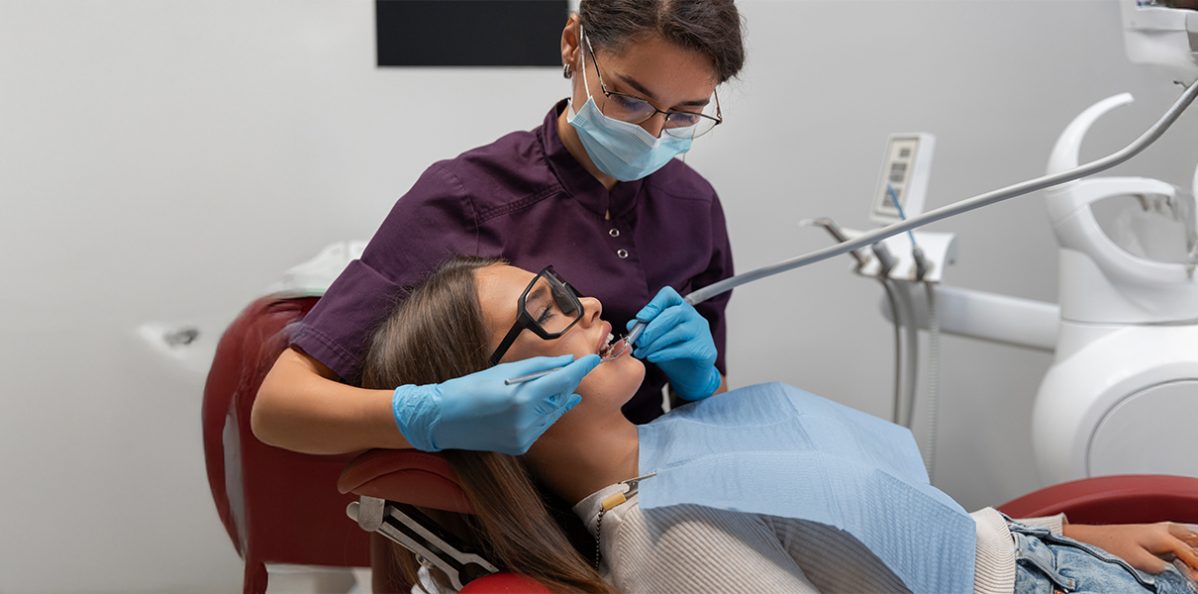
Tooth decay begins when bacteria in plaque metabolize sugars and release acids that dissolve enamel minerals. As enamel weakens, bacteria penetrate into dentin, which contains microscopic tubules connected to the pulp. Fluid shifts inside these tubules stimulate the nerve, leading to sensitivity. Once enamel collapses and dentin becomes contaminated, the body cannot rebuild that lost structure. A dental filling in Kissimmee becomes necessary after clinical examination and radiographs confirm that infected tooth structure must be removed to prevent deeper pulp irritation or spread of infection toward the surrounding bone.
Diagnosis involves visual inspection, tactile exploration, and radiographic imaging to determine lesion depth and proximity to the nerve. If bone levels remain intact and no abscess is present, removing decayed tissue and sealing the tooth can halt bacterial progression.
Signs You May Need a Dental Filling
Cold sensitivity often develops when dentin is exposed, and tubular fluid movement activates pulpal nerves. Pain while chewing may indicate weakened enamel flexing under biting pressure. These symptoms alone do not confirm a cavity, but they require direct examination.
Clinical findings that commonly support intervention include:
- Lingering cold response suggesting dentin involvement
- Sharp pain on biting that may signal an enamel fracture
- Visible cavitation where tooth structure has broken down
- Recurrent food trapping that increases bacterial accumulation
- Radiographic evidence of decay between adjacent teeth
If decay advances without treatment, pulp tissue may become inflamed. Continued bacterial activity can extend beyond the root tip into surrounding bone, resulting in localized swelling. In that situation, individuals often look for an emergency dentist near me because an infection may require root canal therapy rather than a simple restoration.
Types of Dental Fillings Available in Kissimmee, FL
Restorative material selection depends on cavity size, remaining enamel thickness, occlusal stress, and moisture control. Each material must create a seal at the margins to limit bacterial leakage over time.
Composite resin bonds to conditioned enamel and dentin through micromechanical retention. That bond supports remaining tooth walls when sufficient enamel is present. Moisture contamination interferes with adhesion, so isolation is critical during placement.
Dental amalgam offers strong compressive resistance under heavy chewing forces. Retention depends on the preparation shape rather than chemical bonding. It may be considered where biting pressure is high or isolation challenges exist.
Indirect ceramic restorations are fabricated when extensive enamel loss weakens cusp support. These restorations distribute occlusal forces across a broader surface, lowering fracture risk when remaining tooth walls are thin.
A dentist for fillings in Kissimmee considers bite alignment, crack patterns, periodontal health, and bone stability before selecting material. If structural support is compromised, full coverage may provide a more predictable outcome than a direct filling.
What to Expect During the Procedure
Local anesthesia blocks nerve conduction to allow the removal of infected dentin without discomfort. Rotary instruments eliminate softened tissue while preserving sound structure. Unsupported enamel is trimmed to prevent marginal breakdown.
The procedure generally includes:
- Isolating the tooth to maintain a dry working field
- Removing infected dentin and confirming clean margins
- Placing a liner when the remaining dentin thickness over the pulp is minimal
- Applying restorative material in controlled layers
- Adjusting the bite to prevent concentrated force
Layering composite helps manage polymerization contraction forces that occur as the material hardens. Bite refinement is not cosmetic; excessive pressure can inflame the periodontal ligament and transmit stress to supporting bone.
Mild postoperative sensitivity may occur as pulpal tissue responds to instrumentation. Persistent discomfort requires further testing to confirm vitality and rule out fracture.
Why Choose a Local Dentist in Kissimmee for Fillings?
Restorations require long-term monitoring because margins can deteriorate and allow recurrent decay. A dentist in Kissimmee, FL, can compare periodic radiographs to identify early breakdown beneath existing fillings. Bone height and gum attachment are reviewed to confirm continued structural support.
Regular visits to a nearby dental clinic allow occlusal review, detection of small enamel defects, and timely correction before bacterial invasion reaches the pulp. If grinding or misalignment is observed, protective strategies may be introduced to limit stress on restored teeth.
Convenient access also allows prompt reassessment if swelling, persistent sensitivity, or structural fracture develops after treatment.
Final Thoughts
Dental caries represent bacterial destruction of mineralized enamel and dentin. Once dentin becomes infected, removing compromised tissue is necessary to prevent pulpal inflammation and possible bone involvement. Treatment decisions rely on radiographic findings, structural integrity, pulp response, and periodontal stability rather than symptoms alone.
At Hallmark Dental, restorative recommendations are based on diagnostic evidence, functional load analysis, and evaluation of infection risk, with intervention considered when preservation of tooth structure and long-term stability remain achievable.