
Teeth Whitening in Kissimmee: What Brightens Smiles Safely
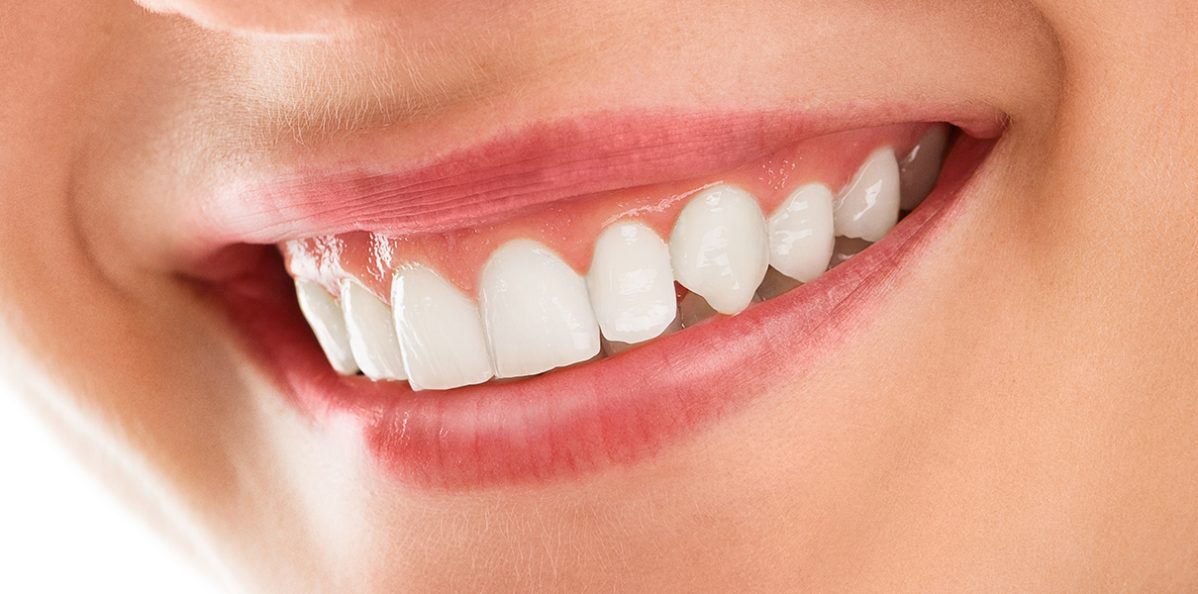
Professional teeth whitening in Kissimmee can boost confidence at work, in photos, and in daily life. Many adults notice yellow or brown stains over time and wonder which whitening options are safe for their teeth and gums.
Professional care matters. The right plan protects enamel, reduces the risk of sensitivity, and gives results that look natural, not harsh or fake. When you understand what causes stains and how whitening works, it becomes easier to choose the best path for your smile.
Safe Professional Teeth Whitening Options in Kissimmee
Before any whitening, your dentist checks your teeth, gums, and existing fillings. This step helps spot decay, cracks, or gum issues that could flare up during treatment. Then you can talk through options that match your goals and comfort level.
Common professional options include:
- In-office whitening: A high-strength gel is applied by the dental team and activated under close supervision. Results appear in one or two visits.
- Custom take-home trays: Your dentist makes thin trays that fit your teeth. You use a lower-strength gel at home for a set number of days.
- Combination plans: Many patients start in the office, then use trays at home for touch-ups and maintenance.
A Kissimmee dentist can adjust the gel strength, wear time, and schedule based on your enamel, existing dental work, and past experience with sensitivity. This level of control is the main advantage over store kits.
Store products like strips and generic trays can help mild surface stains. Still, they may not fit well or spread gel evenly. That can lead to patchy results, sore gums, or frustration when the shade does not change as hoped. Professional guidance helps keep your smile and your mouth safe.
What Causes Tooth Stains and How Whitening Helps
Not all stains are the same, and that is why results vary from person to person. Dentists often group tooth discoloration into two broad types.
- External (extrinsic) stains: These sit on the outer enamel. Coffee, tea, red wine, soda, and tobacco are common sources. Plaque and tartar also trap pigments.
- Internal (intrinsic) stains: These sit deeper inside the tooth. They can come from aging, trauma, certain medicines in childhood, or large fillings.
Bleaching gels used in the office and in custom trays work by breaking apart stain molecules in the enamel and just under the surface. They work best on yellow or brown shades from food, drink, or smoking. Dark gray bands or stains from injury may not respond as well. In those cases, other forms of cosmetic dentistry in Kissimmee, such as bonding or veneers, may give a better match.
Many people first notice stains in photos or video calls and begin to search online for a dentist near me who offers whitening. During that first visit, your dentist can measure your current shade, listen to what you want, and explain what whitening can and cannot do. For example, crowns, veneers, and fillings will not change shade and may need an update afterward to blend.
Realistic goals protect you from disappointment. Your dentist aims for a brighter, healthier look that suits your skin tone and natural tooth color.
How to Keep Whitened Teeth Bright for Longer
Whitening is an investment of time and care, so it makes sense to protect the results. Simple habits go a long way.
Daily home care is the base:
- Gently brush your teeth morning and night using a soft-bristle brush to protect your enamel.
- Use fluoride toothpaste to strengthen enamel.
- Floss once a day to clean between teeth.
To reduce new stains:
- Limit dark drinks like coffee, tea, and cola, or sip them through a straw.
- Rinse with water after red wine, tomato sauces, or berries.
- Avoid tobacco in any form, since it leaves deep, stubborn stains.
Regular cleanings help remove surface buildup that dulls the shade you worked hard to reach. Your dentist may also suggest safe touch-up sessions once or twice a year, often with a lower-strength gel.
If your teeth tend to react to cold or sweets, ask about whitening for sensitive teeth before you begin treatment. Your dentist can:
- Use desensitizing toothpaste or gel before and after sessions.
- Shorten the time trays stay on your teeth.
- Select a lower-strength formula and build shade change in smaller steps.
With these adjustments, many patients who once feared whitening can still enjoy a brighter smile in comfort.
Final Thoughts
A whiter smile should never come at the cost of sore gums or weakened enamel. Safe whitening starts with a careful exam, clear conversation, and a plan tailored to your mouth, not a one-size kit from a shelf.
If you are thinking about brightening your teeth, schedule a visit and ask every question on your mind about shade goals, sensitivity, and long-term care. A trusted dental team, such as the professionals at Hallmark Dental, can guide you through each step so your smile looks bright and feels healthy for years to come.