
From Missing Teeth to a Perfect Smile: Dental Implants at Hallmark Dental
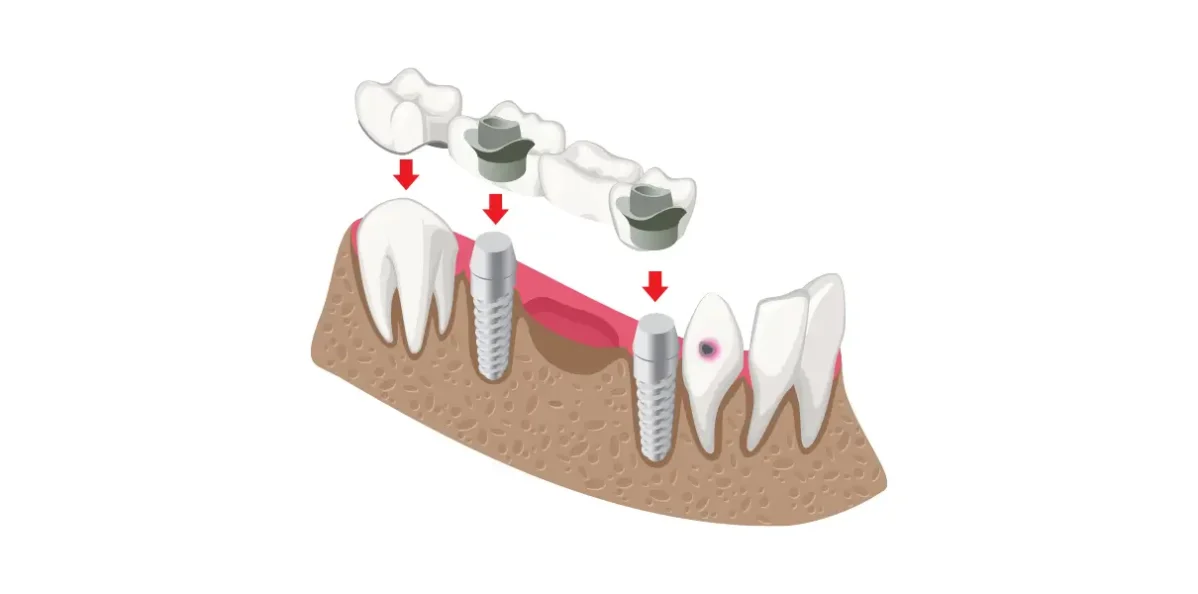
Tooth loss affects how the mouth functions over time. When a tooth is missing, surrounding teeth may shift, chewing efficiency can change, and jawbone volume may gradually reduce. Dentists evaluate these changes to determine whether replacement is needed to maintain oral stability.
Patients seeking dental implants in Orlando are often evaluating options that replace the missing tooth root rather than relying only on surface restorations. This approach allows dentists to assess function, alignment, and bone support together, with the aim of maintaining long-term oral health rather than focusing solely on appearance.
Restoring Oral Stability After Tooth Loss
When a tooth is lost, dentists assess the surrounding bone and gum tissue before planning treatment. A dental implant is placed within the jawbone to act as a stable foundation for a replacement tooth. Over time, the bone integrates with the implant, allowing it to function as part of the bite.
This process allows dentists to replace a missing tooth without placing additional stress on neighboring teeth. The primary clinical goal is to re-establish balance in the bite while maintaining existing oral structures.
Comparing Dental Implants With Other Replacement Methods
Dentists consider several factors when recommending tooth replacement options. Traditional bridges rely on adjacent teeth for support, which may require modification of healthy enamel. Removable dentures rest on soft tissue and may shift as oral structures change.
Dental implants differ because dentists place them directly into the jawbone. This approach allows the replacement tooth to function independently. For patients considering tooth replacement in Orlando, providers often discuss how each option affects chewing efficiency, long-term maintenance, and oral stability.
Determining Candidacy for Dental Implants
Before recommending dental implants, dentists examine gum health, bone density, and overall oral condition. Most adults with controlled oral health concerns may be evaluated for implant treatment, although additional planning may be required when bone loss is present.
A dentist in Orlando may also review medical history and lifestyle factors that influence healing. The purpose of this evaluation is to confirm that implant placement can proceed safely and predictably.
Understanding the Dental Implant Treatment Process
Dental implant treatment is completed in stages. Each stage allows dentists to monitor healing and ensure proper integration.
- Clinical assessment: Dentists examine oral structures and review imaging to plan implant placement.
- Implant placement: The implant is positioned within the jawbone using controlled surgical techniques.
- Healing phase: Bone gradually integrates with the implant over several months.
- Final restoration: A custom crown is attached to restore function within the bite.
Throughout this process, dentists focus on managing comfort, monitoring healing, and maintaining oral health.
Long-Term Oral Function With Dental Implants
Dental implants are intended to function as part of the natural chewing system. With routine oral hygiene and regular dental visits, many implants remain stable for many years. Dentists monitor implants during checkups to ensure the surrounding bone and gum tissue remain healthy.
For patients looking for a dentist near you to discuss missing teeth, implant treatment may be part of a broader plan focused on preserving oral function and preventing further structural changes.
Dentists evaluate implant treatment as part of an overall approach to maintaining long-term oral health.
Final Thoughts
Replacing missing teeth is a clinical decision that affects function, stability, and long-term oral health. Dental implants allow dentists to address tooth loss at the root level, helping maintain jawbone support and balanced chewing when treatment is carefully planned and monitored. For patients seeking a clear, education-focused discussion about implant options and expectations, Hallmark Dental approaches implant care as part of a broader effort to protect oral structures and support lasting dental health.